
Delivery
We assist with the delivery of new or used machinery purchased from us.
A 360° SERVICE
Albricci has always believed in the importance of providing technical support services on machinery and software
OUR SERVICES
From consulting on incentives and tenders to perfect integration between technical office and production: we design your success. Not just installation and training, but a connected and monitored ecosystem. We transform supply into a lasting partnership, offering constant updates to optimize your present and ensure a competitive future.

SPECIALIZED CONSULTING
Our commitment to excellence is based on a complete and personalized approach to your success. We constantly invest in the training of our team, ensuring up-to-date skills to offer you the highest quality service.
Our specialized consulting supports you in identifying the best opportunities to participate in regional and national tenders and the tax incentives most suited to your needs.
Through an in-depth analysis of your investment, we present a clear and detailed picture of the economic and financial benefits your company will obtain.
INSTALLATIONS AND REPAIRS
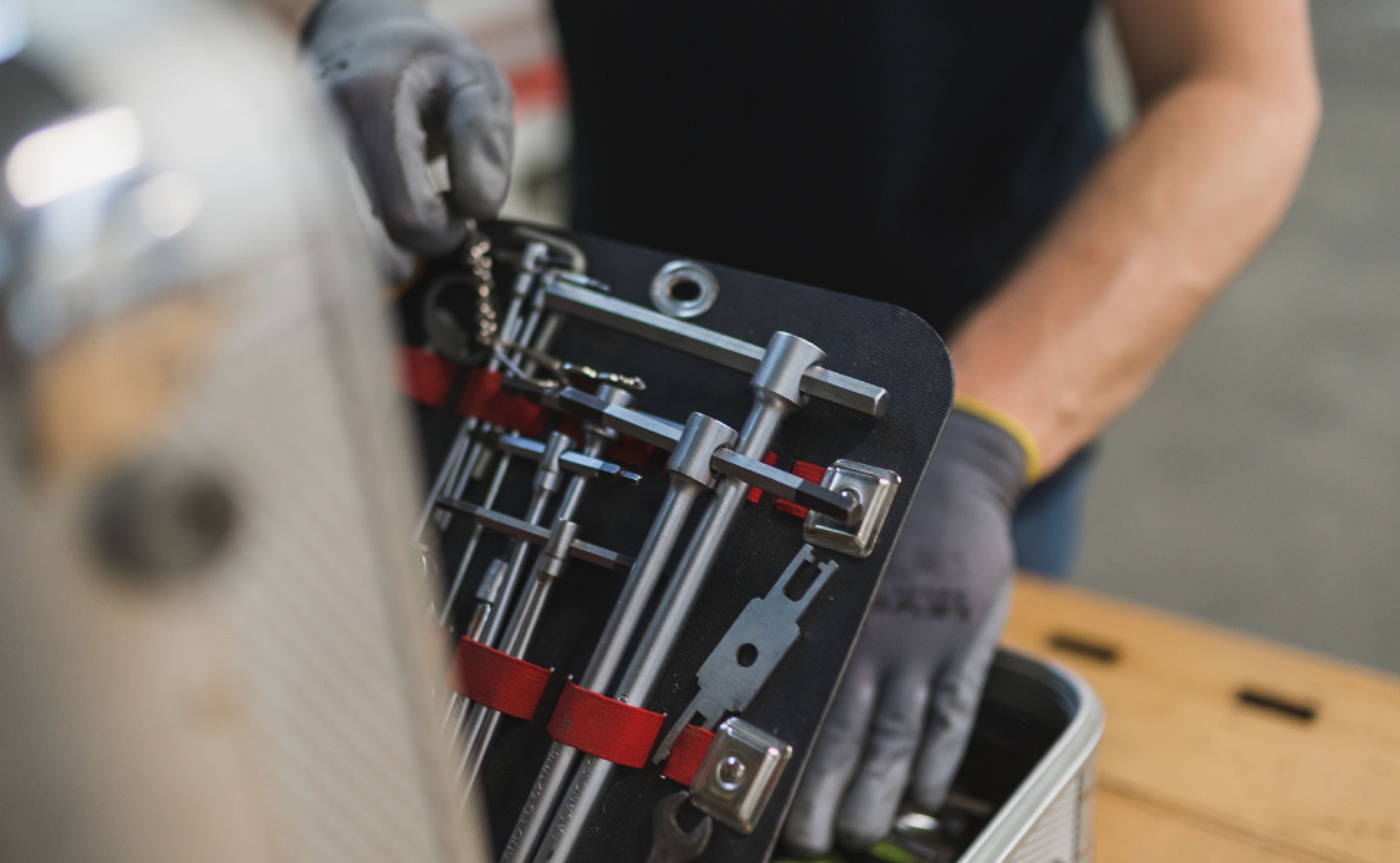
We provide a team of highly specialized technical experts, ready to intervene on all types of machinery with maximum expertise. Thanks to our precise specializations, we guarantee fast and effective interventions, to offer you the best possible support at every stage, from installation to maintenance.
We are by your side to ensure the optimal operation of your machines and to solve any problem with maximum professionalism.
Access the service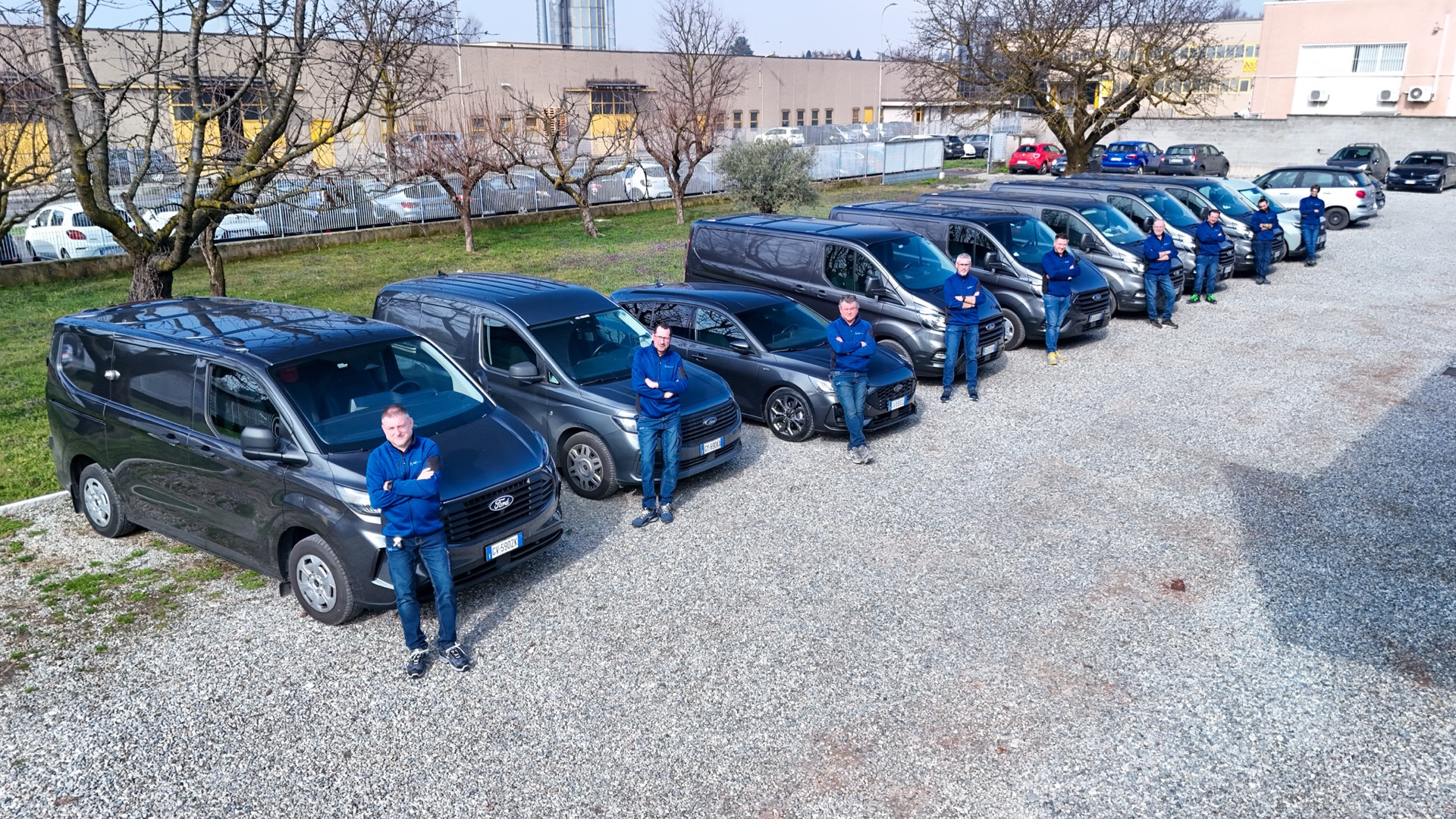
INTERVENTIONS THROUGHOUT THE TERRITORY
We have a fleet of company vans, always equipped with everything needed to intervene promptly in case of urgent needs.
For over 40 years we have supported customers ranging from bespoke furniture makers to small and medium-sized industry, with a complete service: transport, testing, spare parts and training.
Years of Specialized Technical Know-how
Original Spare Parts Maximum Durability
complete service
SERVICES PROVIDED
Albricci service takes care of all customer needs:
We assist with the delivery of new or used machinery purchased from us.
We guarantee installation and testing on new or used machines.

We provide customer training courses on new and used machines.

We provide predictive, routine and extraordinary maintenance and repairs on new or used machines.
Technical interventions on machinery computers and related software, updates and configurations.

Spare parts always available to reduce response times. We also supply consumables.
FAQ
The questions that remove risk before you invest: technical answers on how to choose the right machine, set up your workshop and ensure production continuity.
Start from the part, not the machine. We look at the panel or solid wood — species, thicknesses, sheet sizes and tolerances (squaring, edgebanding, boring) — together with batch volumes and the flow between machines and manual operations. The goal is to find the bottlenecks in your internal routing:
Only then do we select the technologies that genuinely streamline your workshop logistics, factoring in floor space, dust extraction and operators.
Yes, and it is the best way to decide. Depending on the machine, the test runs in our Seveso showroom or at the manufacturer, using your panel, your edge, your wood species and your design. You see the real result, the cycle time and the quality achievable with the proposed tooling: it aligns expectation and result before the order, not after delivery.
In most cases yes, and it is a key assessment to make before investing. We analyse interconnection and internal logistics:
The goal is not to automate at all costs, but to remove the manual handling and downtime that slow production, acting precisely on the department’s real bottleneck.
Three essentials:
The exact technical figures are in the installation sheet supplied with the quotation, so electricians, plant fitters and logistics technicians can set up the workshop layout before the machine arrives, eliminating downtime during commissioning.
It is sized on the sum of the extraction points actually running at the same time, not on the total number of machines. During analysis and quotation we ask precise questions to design an efficient capture and filtration network:
Capturing close to the exact point where the chip is generated avoids dust build-up on panels, spoiled finishes, tool overheating and premature blade wear. A rigorous technical site survey before the quote is the only way to guarantee energy efficiency, compliance with air-quality regulations and continuous operation.
It depends on the machine’s role in your production flow and on the overall return on investment (ROI), not just on the initial budget. As consultants we weigh two scenarios:
The Albricci advice: never compare only the list price of used against new. Calculate the Effective Purchase Cost, factoring in cash flows, the tax saving on interconnected machines and the potential cost of downtime. We analyse your batches and your budget together to find the most financially advantageous solution for your workshop.
A woodworking machine has bases and mechanical structures built to last for decades: what degrades over time is not the frame, but the accuracy of the settings and the wear components. That is why fleet management follows the same logic as the automotive “service” — scheduled, preventive and predictive maintenance, sized on the department’s actual working hours. The control points:
Planning these interventions catches wear before it becomes a production-stopping breakdown, drastically reducing the cost of emergency repairs. A machine kept on a regular service schedule maintains finish quality over time, preserves resale value and ensures maximum operator safety.
In a workshop a breakdown halts the whole department’s chain, so production stoppages take absolute priority over any scheduled maintenance. Our rapid-response protocol:
To activate assistance immediately, keep to hand: 1) machine model, 2) serial number, 3) year of manufacture, 4) alarm/error code shown on the display.
Technical training and hands-on support are an integral part of installation and commissioning: a new technology (CNC machining centre, panel saw, edgebander and more) delivers its full value only when operators master it. The path develops on two complementary levels:
The ideal finishing cycle starts from an integrated analysis of the final product, the required aesthetic performance and batch volumes — not from simply picking the spray booth or coating machine. An efficient cycle balances three key factors:
There is no single recipe for wood finishing: in our showroom and at our partners’ technology centres we run coating and drying trials directly on your panels and with your coating products.
LET’S TALK